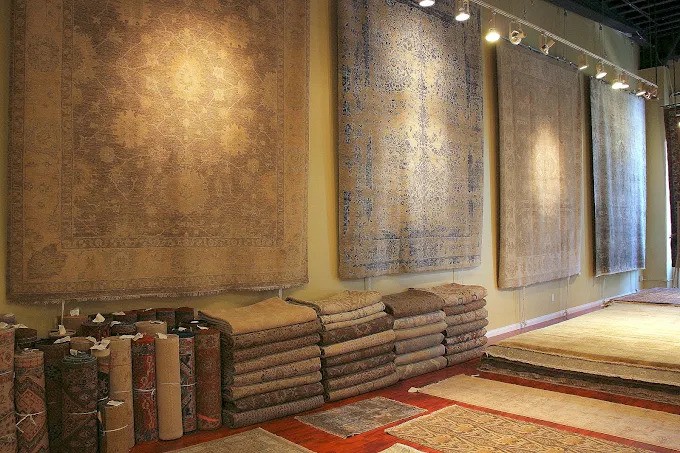
A rug can change a room fast. It can warm things up, calm things down, or pull the whole look together. Yet many people get stuck on the labels. Vintage. Antique. Modern. They sound similar, but they are not the same thing. Each type tells a different story. Each fits a different lifestyle. Once you know the difference, choosing the right rug feels less like guesswork and more like common sense.
Not all rugs age the same way. Some get better with time. Others just get worn out. The label helps you know what you are buying, how long it may last, and how it will behave in your home. It also affects price, care, and value.
A rug is not just décor. It is something you live on. So knowing the basics helps you avoid regret later.
Antique rugs are the elders of the rug world. Most experts agree a rug needs to be at least one hundred years old to earn this title. These rugs were made by hand. Every knot was tied with care. No machines. No shortcuts.
The materials came from nature. Wool from sheep. Silk from cocoons. Dyes from plants, roots, and minerals. This is why antique rugs age so well. Colors soften. Fibers relax. The rug feels alive.
Time works in their favor. Wear adds charm instead of damage. Slight fading creates balance. Uneven patterns show the human hand. Nothing feels stiff or forced.
Antique rugs also feel different underfoot. They feel smooth. They feel grounded. Many people notice this right away. These rugs were made for real homes, not showrooms.
Not all old rugs are valuable. Age alone is not enough. Craft, origin, and condition matter. Antique Persian rugs stand apart because of their quality and history. They remain in demand because no new rug can copy their look or feel.
These rugs often hold value and may grow it over time. This makes them popular with collectors and design lovers alike.
Vintage rugs sit between antique and modern. Most fall between twenty and ninety years old. They are old enough to have character but not old enough to be rare.
Many vintage rugs started life as traditional pieces. Over time, colors faded, and fibers softened. Some were later altered or reworked to fit modern tastes.
Vintage rugs feel relaxed. They do not try too hard. They blend in easily. Their worn look makes a room feel lived-in right away.
Designers often use vintage rugs to soften modern spaces. They balance clean furniture and sharp lines. They also work well in busy homes because small marks do not stand out.
Vintage rugs offer style more than investment. They usually do not increase in value. Repairs and alterations can also affect quality.
Still, they shine when comfort matters more than history. They are great for everyday living.
Modern rugs focus on today. They follow current trends. Think clean lines, bold shapes, or simple patterns. Some use bright colors. Others stick to calm tones.
Most modern rugs are machine-made. Many use synthetic fibers. These materials help lower costs and simplify care. Some modern rugs are handmade, but the design remains the main goal.
Modern rugs suit fast-paced lifestyles. They work well in apartments, rentals, and trend-driven spaces. They clean easily. They replace easily.
People who like to switch styles often choose modern rugs. They offer freedom without long-term commitment.
Modern rugs do not age like older rugs. Wear often looks like damage. Colors may fade unevenly. Fibers flatten fast.
This does not make them bad. It just means they serve a different purpose. They shine in the short term.
Craft sets these rugs apart. Antique rugs rely on hand-knotting. This creates strength and depth. Vintage rugs often share this base but may show repairs. Modern rugs vary widely in method.
Materials matter too. Natural fibers age well. Synthetic fibers focus on ease and cost.
Touch a rug, and you can feel the difference. Density. Weight. Texture. These clues say a lot.
Room style matters. Formal rooms often suit antique rugs. Their detail adds richness. Casual rooms love vintage rugs. Their softness invites comfort. Minimal spaces pair well with modern rugs.
The right match makes a room feel complete. The wrong one feels off.
Lifestyle should guide your choiceThink about daily life. Kids. Pets. Traffic. Antique rugs handle wear but need care. Vintage rugs offer balance. Modern rugs allow easy swaps.
There is no one-size answer. The best rug fits how you live.
Size and placement mistakes to avoidMany buyers choose rugs too small. This breaks the flow. Always measure first. Let furniture sit partly on the rug.
Placement affects how a rug reads. It can anchor a space or make it feel scattered.
Care needs across rug typesAntique rugs need gentle care. Avoid harsh cleaners. Use professionals. Vintage rugs allow more flexibility. Modern rugs often handle basic cleaning well.
Rotate rugs to spread wear. Vacuum regularly. Act fast on spills.
Older does not always mean fragile. New does not always mean better. Price does not always reflect quality.
Learning a few basics saves money and stress.
Buying a rug is a long-term decision. Understanding categories helps you spend wisely. It also helps you enjoy the rug more.
When you know what you own, you care for it better. You also value it more.
| Rug Type | Age Range | Materials & Craftsmanship | Style & Use | Value & Care |
|---|---|---|---|---|
| Antique | 100+ years | Hand-knotted, natural fibers, plant dyes | Rich, detailed, formal spaces; durable | Often appreciates; requires gentle, professional care |
| Vintage | 20–90 years | Mostly hand-knotted, with some alterations | Soft, relaxed, blends with modern or casual | Style-focused; moderate durability; flexible care |
| Modern | <20 years | Machine-made or handmade, synthetic/natural | Trend-driven, minimalist, easy to clean | Functional; low long-term value; simple maintenance |
Rugs tell stories. Antique rugs speak of history and skill. Vintage rugs offer comfort and charm. Modern rugs reflect now. Each has its place. When you understand the difference, you choose with confidence. The right rug does not just fill space. It makes a home feel right.
Most experts agree that a rug must be at least one hundred years old to be considered an antique.
Yes, many vintage rugs are remarkably durable, especially those made from high-quality wool. They can withstand heavy foot traffic and daily use in busy homes.
TModern rugs can work in classic homes, but achieving balance is key. Bold colors or abstract patterns may overpower ornate décor if not chosen carefully.
Yes, antique rugs were originally made for practical use, not just display. With proper care, including gentle cleaning, rotation, and protection from direct sunlight, they can handle daily foot traffic.
Rugs gain value primarily due to quality, age, and rarity. Well-preserved vintage or antique rugs often appreciate as demand grows, making them both an aesthetic investment and a piece of cultural history over time.
Nasser Luxury Rugs invites you to explore pieces shaped by time and craftsmanship. Visit the Los Angeles showroom, located in Beverly Hills, today and experience the timeless hand knotted rugs artistry firsthand. Find rugs built to last, designed to warm spaces, and crafted to carry history into everyday living.
 NASSER LUXURY RUGS